
Imagine you’re standing in your living room, admiring the space you’ve curated with care. But have you ever paused to consider the very ground beneath your feet?
How thick is your floor, really? It’s more than just a surface to walk on; it’s a crucial element of your home’s structure. Understanding floor thickness can impact everything from comfort to safety and even energy efficiency. As you delve into the details, you’ll discover how this hidden dimension plays a vital role in your daily life.
Stick around to uncover the secrets beneath the surface, and learn how the thickness of your floor can enhance your home experience in ways you never imagined.
Importance Of Floor Thickness
Floor thickness matters a lot. It affects a building’s strength. Thicker floors can hold more weight. Thin floors might crack or break. Different buildings need different thickness. Homes, schools, and offices vary. A home might need less thickness. A factory floor needs more.
Thick floors also help with sound. They keep noise down. This is useful in apartments. No one likes hearing footsteps above. Thick floors can keep your house warm, too. They stop cold air from coming up. This saves money on heating. So, floor thickness is important in many ways.
Standard Floor Thickness
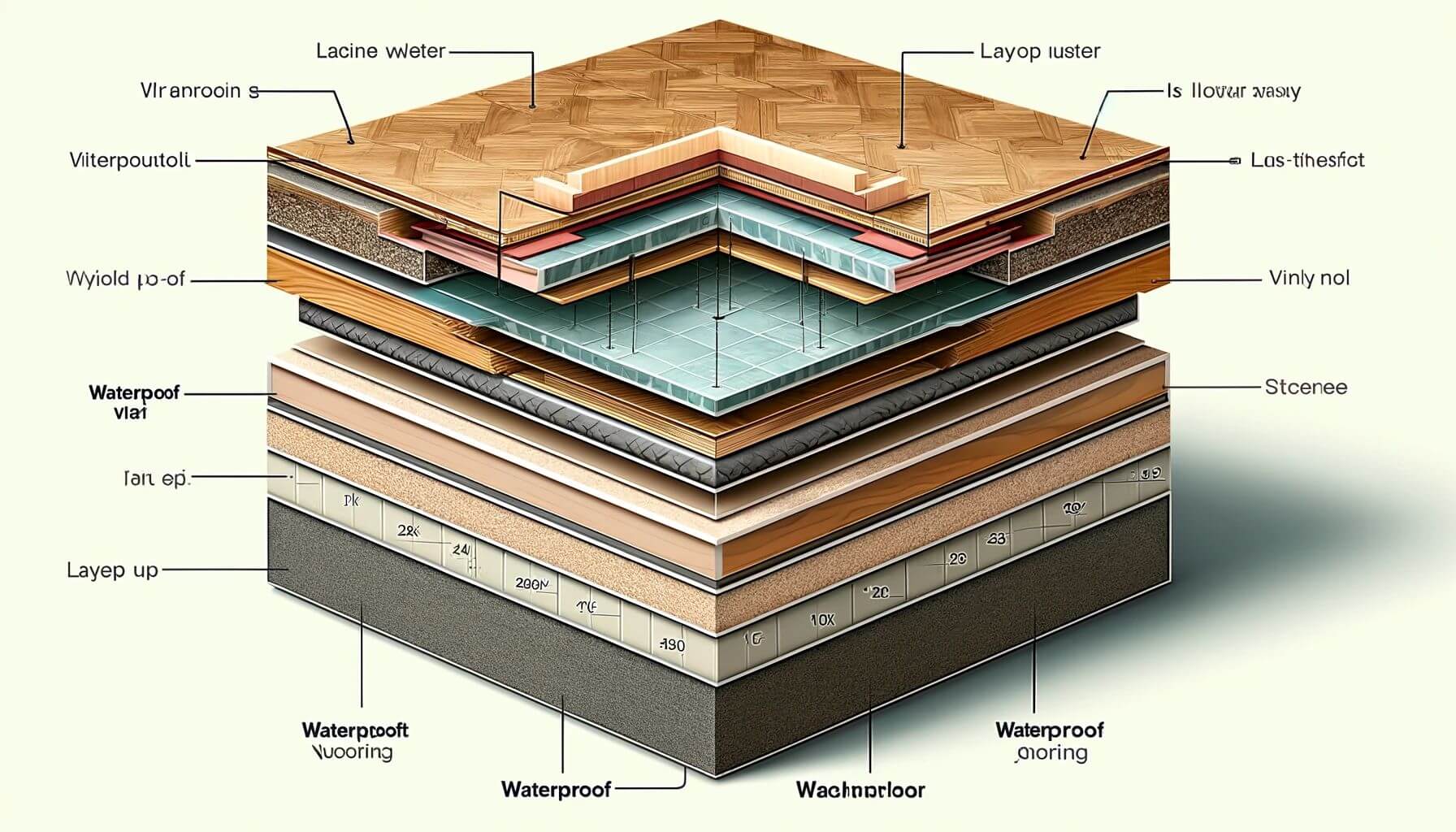
In homes, floor thickness is very important. Floors in houses are usually between 6 to 8 inches thick. This includes all layers like tiles, wood, or carpet. The base is called the subfloor. It is usually made of concrete or wood. This gives the floor strength. Thicker floors can handle more weight. They also help with soundproofing and keeping rooms warm.
Commercial floors are often thicker than home floors. They are usually between 8 to 12 inches thick. This is because they need to hold a lot of weight. Many people walk on these floors every day. The materials used are often stronger, like reinforced concrete. This makes the floors very durable. Thicker floors also help with sound and temperature control.
Factors Influencing Thickness
Floors need to be strong. Load bearing capacity is important. Heavy objects like furniture need support. Floors with poor strength can break. Builders choose thickness based on weight. Thicker floors carry more weight. Thin floors might bend or crack. Proper thickness ensures safety. People feel safe walking on strong floors.
Warmth is crucial in a house. Insulation helps keep heat inside. Thick floors trap heat better. Cold floors make rooms chilly. Soundproofing stops noise. Thick floors block sound. Loud sounds stay out. Families enjoy quiet spaces. Thin floors let sound pass through. Good thickness offers peace.
Moisture can ruin floors. Moisture resistance keeps floors dry. Wet floors can rot or mold. Thickness helps in keeping moisture away. Thicker floors provide better protection. Dry floors last longer. Wet floors cause damage. Builders use special materials for wet areas. Proper thickness stops water problems.
Types Of Flooring Materials
Concrete floors are very strong and last long. They are usually about 4 inches thick. The thickness keeps the floor sturdy. It is great for heavy loads and busy areas. Concrete can be polished for a smooth look. It is often used in garages and basements.
Wooden floors add warmth to a home. They are usually 0.75 inches thick. This thickness provides a good balance of strength and flexibility. Wooden floors can be made from oak, maple, or cherry. They are popular in living rooms and bedrooms.
Tile and stone floors are durable and elegant. The thickness is often 0.5 inches to 1 inch. Stone like marble or granite is heavier. Tiles are easier to clean. These floors are ideal for kitchens and bathrooms. They resist water well.
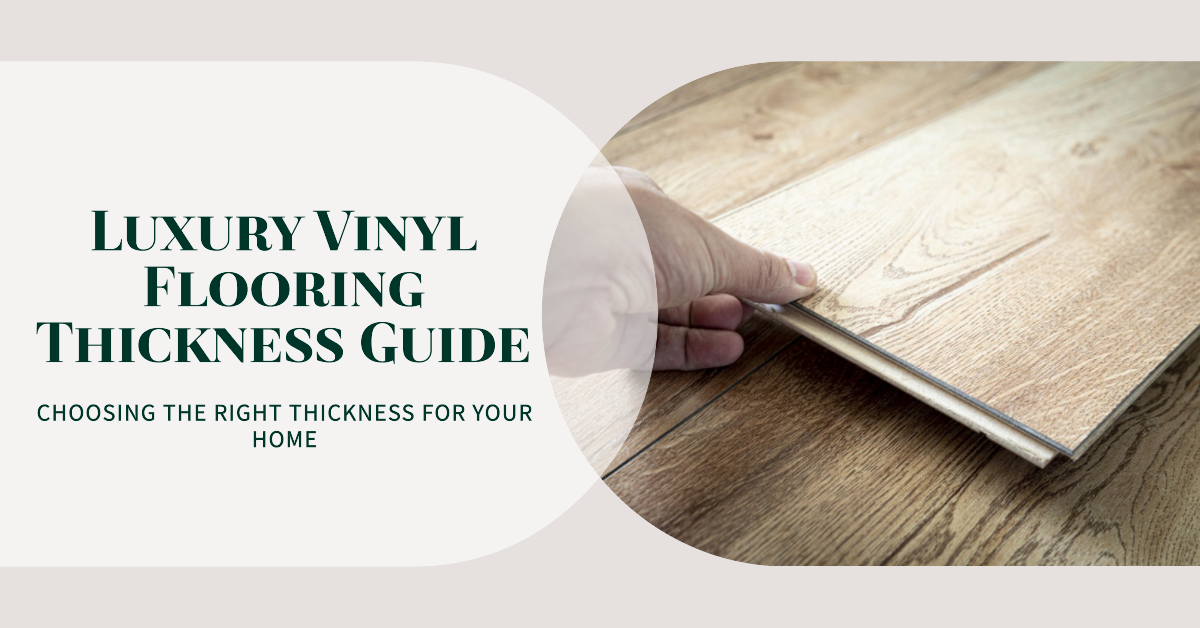
Laminate and vinyl floors are affordable and easy to install. They are usually 0.25 inches to 0.5 inches thick. They mimic the look of wood or stone. Good for areas where you need a quick change. Laminate is scratch-resistant. Vinyl is water-resistant.
Choosing The Right Thickness
The thickness of a floor depends on how much weight it holds. Heavy objects need thicker floors. Thinner floors may not support heavy loads. Safety is very important. Engineers decide the best thickness. They check the building plans. Strong materials help floors stay safe.
People like floors to look nice. Thicker floors can have fancy designs. They make rooms feel solid. Thin floors look modern. They make spaces feel larger. People choose based on their style. Colors and patterns matter too. Everyone has different tastes.
Money affects floor choices. Thicker floors often cost more. They need more material. Thin floors can save money. They use less material. But, they must be strong enough. People balance cost with safety. Good planning helps save money.
Installation Considerations
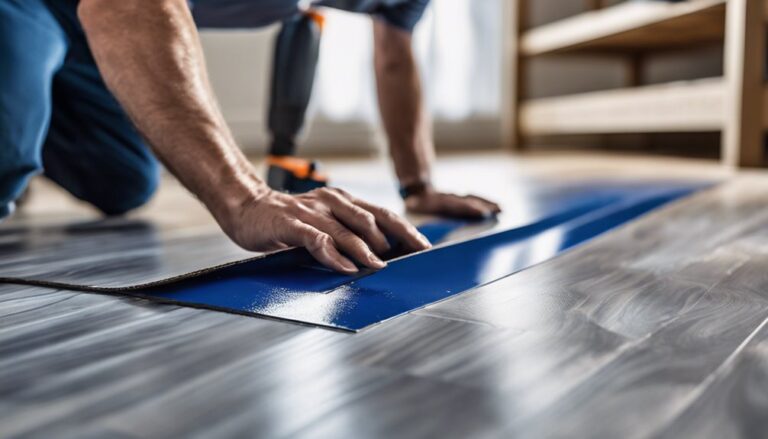
The subfloor must be clean and smooth. Any bumps or holes can be a problem. This is important for a good floor installation. Dust and dirt should be removed. A clean subfloor makes the floor last longer. It’s also safer for walking.
Hiring a professional can be a good choice. They have the right tools and skills. Professionals know what to do if something goes wrong. A DIY installation can save money. But it needs time and effort. Mistakes can happen easily. Always read instructions carefully. Choose what suits your needs best.
Maintenance And Durability
Keeping floors clean helps them last longer. Dust and dirt can scratch floors. Use a soft broom or vacuum often. Spills should be wiped up right away. Water can damage some floors. Mopping is good, but not too much water. A damp cloth is best.
Strong floors last a long time. Wear and tear makes floors weak. Heavy furniture can leave marks. Use pads under legs. Sunlight can fade colors. Curtains or blinds help. Floors need care to stay strong.

Frequently Asked Questions
How Thick Is A Standard Residential Floor?
A standard residential floor is typically between 12 to 15 inches thick. This includes the subfloor, underlayment, and flooring material. Thickness can vary based on construction methods and materials used.
What Factors Affect Floor Thickness?
Floor thickness is affected by materials, construction methods, and building codes. Heavier materials like concrete increase thickness. Structural needs and sound insulation also play significant roles.
How Thick Is A Concrete Floor Slab?
A typical concrete floor slab ranges from 4 to 6 inches in thickness. This varies based on load requirements and intended use. Reinforcement like steel bars may be used for added strength.
Is Thicker Flooring Better For Insulation?
Thicker flooring often provides better insulation against sound and temperature. Materials like cork or carpet enhance insulation properties. However, effectiveness depends on specific material and installation.
Conclusion
Understanding floor thickness matters for many reasons. It affects durability. Influences sound insulation. Impacts heating and cooling. Varies with materials and design. Knowing these factors helps in planning. Ensures comfort and safety. Saves money in long run. Choose wisely based on your needs.
Consult professionals for accurate advice. Every home has unique demands. Consider all aspects before deciding. Balance aesthetics with practicality. A well-chosen floor enhances your space. Adds value to your home. Always aim for quality. Prioritize your preferences and budget. A sturdy floor is a wise investment.
Make informed decisions for best results.